Right Now

AI as Cancer Oracle?
How is artificial intelligence (AI) being used for cancer detection and prevention?
by Daniel Oberhaus

Private Equity and the Practice of Medicine
Hundreds of U.S. hospitals are owned by private equity firms—does monetizing medicine affect the quality of care?
by Colleen Walsh

Diversifying Diet
A little-known diet improves cardiovascular health through several distinct mechanisms.
by Nina Pasquini

Computational Control of a Living Brain?
How an AI agent learned to guide an animal to food—and what it might mean for Parkinson’s patients.
by Jonathan Shaw

Fictions about the Forces Driving Migration
Glenda Carpio on the new migration narrative
by Nina Pasquini

Controlling AI Influence over Consumers
When pricing algorithms take advantage of an individual’s ignorance, legal scrutiny is in order.
by Max J. Krupnick
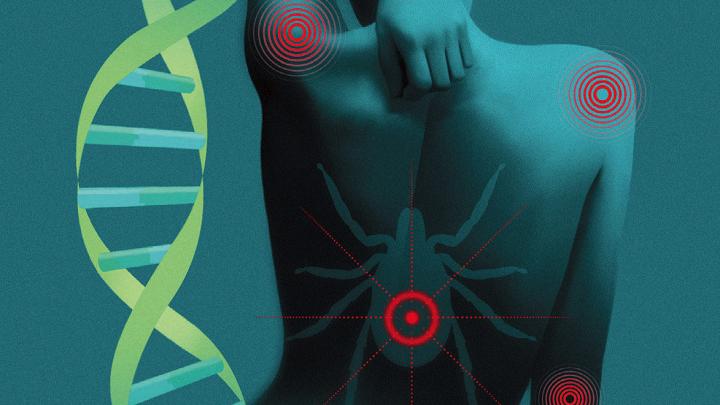
Deciphering Lyme Disease
Whole-genome analysis exposes the sophistication and vulnerabilities underlying Lyme disease.
by Jonathan Shaw

Values and Voting Patterns
Thinking globally versus locally is predictive of political views
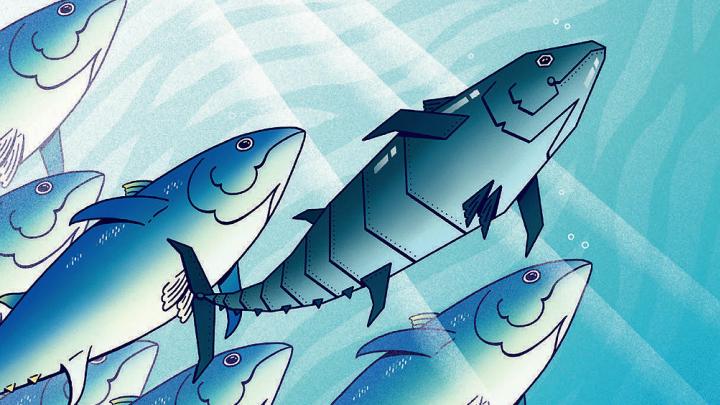
What Makes Fish Fast?
George Lauder investigates nature’s solutions to underwater speed.

Preparing for the Energy Transition
Expect massive job losses in industries associated with fossil fuels. The time to get ready is now.
by Erin O'Donnell
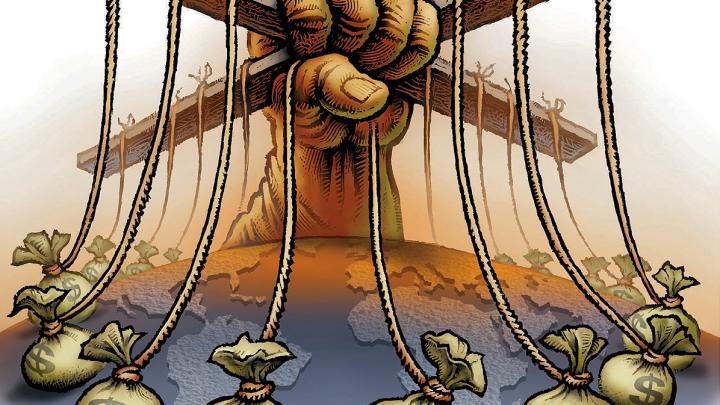
Reforming International Finance
Is it time to reform global financial institutions that support economic and political stability?
by Max J. Krupnick